
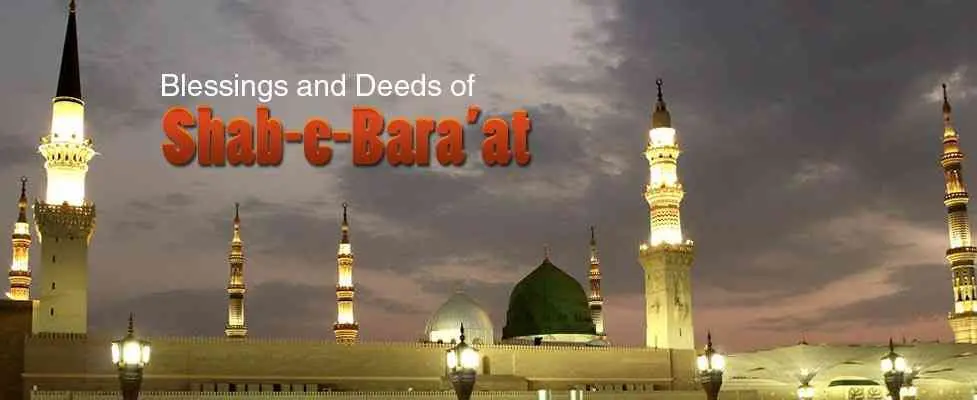
Shab-e-Barat and its Importance in Islam
Shab e barat means “the beginning of the night” in Arabic. It is used to describe the time when Muslims perform their prayers during Ramadan.
The best times for performing this prayer are between 2 AM and 4 AM. A person who performs this prayer does it in a state of ritual purity called Nafas-e-Rashid which means pure intention.
This is the last day before the month of fasting begins. Many people wait until the sun has set on Thursday to begin preparing for Ramadan. Some believe that God will reward them if they pray at this time because he knows how hard the fasts will be.
Others believe that by praying early in the morning, they show that they are ready to give up anything, even sleep, to serve God.
See here: List of Public Holidays
See here: Why do we celebrate Kashmir Day?
What is Shab-e-Barat?
Shab-e-barat is a celebration that takes place on the last day of Ramadan (the ninth month of the Islamic calendar).
The word “shab” means night in Arabic, while the word “barat” means breaking fast. So, when you say shab-e-barat, you’re referring to the night before dawn.
It’s important to note that this holiday doesn’t have any religious significance. However, it does represent the end of a long period of fasting and prayer. During Ramadan, Muslims refrain from eating and drinking anything between sunrise and sunset. This is done so that they can focus on their spiritual journey.
Celebrating shab-e-barat is a fun way to mark the end of this holy time. People will gather together at special locations, such as parks, cafes, or restaurants. There, they’ll enjoy food, drinks, and entertainment.
The best part of this tradition is that everyone gets to eat! As soon as the sun rises on the morning after the end of Ramadan, people will break their fast.
Why do we celebrate Shab-e-Barat?
Shab e barat is one of the most important festivals in Iran. This holiday celebrates the birth of Imam Ali (AS). During this time, people visit each other’s homes and share food together. The festival lasts for two days, but the first day is much more significant than the second.
During the first day, people go to their relatives’ houses to greet them. Then, they eat a meal with the family. After that, they pray in the mosque. Finally, they spend the rest of the day visiting each other’s homes and sharing gifts.
Celebrating the birth of Imam Ali is very important to Iranian culture because he was a great leader. His teachings were passed down from his father, Prophet Mohammad. He taught everyone how to live peacefully.
People also believe that celebrating the birth of Imam Ali helps to keep the country safe. If the people are happy, then they will be less likely to fight against one another.
So why do we celebrate shab e barat? We celebrate it because we love our families. It is a way for us to thank Allah for all of the blessings in our lives.
See here: Why do we celebrate Pakistan Day?
See here: What happened on Labour Day?

How important is Shab-e-Barat?
Shab-e-barat, the Iranian New Year, falls on March 21st each year. It was first celebrated in the year 588 BC. The celebration marks the beginning of springtime. During this time, people celebrate with their families. Many Iranians will prepare special dishes, such as kebabs and rice.
Celebrations are also held throughout the country. People dress up in new clothes and visit parks and other places where they can enjoy nature. There are many different traditions associated with the holiday.
For example, some people believe that eating an orange before sunrise is a good luck charm for them.
Many people say that the holiday is the most important day of the year. However, it’s not always easy to tell how much importance should be given to this holiday. Some people may consider it more important than others.
In fact, the government does not officially recognize this holiday. But, it is still celebrated by many people. If you want to learn more about this holiday, then keep reading. We have provided a list of interesting facts below.
Meaning:
This means “new life.” It is believed that on this day, God created the world and gave birth to Adam. This is why the festival is called Shab-e-barat or New Year’s Day.
How do we celebrate Shab-e-Barat?
Shab-e-barat is the festival of Eid ul Adha. This celebration takes place after the tenth day of the month of Dhu al Hijja. The meaning of this holiday is that Allah (SWT) gives thanks for the sacrifice made by Ibrahim (AS).
Celebrating the festival requires a lot of preparation. You need to make sure that your house is clean, and you should also buy new clothes. For example, you shouldn’t wear old clothing because it might get dirty, and you may have to wash it.
You should take care of yourself so that you will be able to celebrate the festival with ease. In addition, you must prepare your mind for the occasion. If you’re thinking negative thoughts, then you won’t enjoy the celebrations at all.
When you are preparing for the holidays, you should try and avoid stress. Stress can cause a number of health problems including headaches, stomach aches, high blood pressure, and more.
See here: Why do we celebrate Banks Holiday?
See here: What happens on Ashura?

Importance of Shab-e-Barat in Islam
Shab-e-Barat (شبع بارت) means ‘the breaking of dawn’ in Arabic. This is the first day of the month of Ramadan. The name was given to this holy month by Prophet Muhammad (PBUH).
This article will discuss the meaning, importance, and celebration of Shab e Barat.
The Meaning:
In the Quran, the word Shab-e-Barat (شبع بارت) is mentioned in Surah Al-Baqara, Verse No. 2.
“And break the fast with water, but if ye are ill or on a journey, or one of you cometh from the closet, then take a quantity out of that which We have provided you.”(2..
The Holy Prophet’s teachings also emphasize the significance of this day. He said, “Whoever does not observe the fasting of Ramadan, he has no share in my paradise and his hellfire will be more intense than what it is now.”
He further added, “It is a great blessing to abstain from food and drink for thirty days.”
Celebration:
On this day people perform various acts of worship like reading Quranic verses, reciting prayers and giving charity.
How is Shab-e-Barat Celebrated in Other Religions?
Shab-e-barat (or Eid ul Fitr) is a major holiday observed by Muslims worldwide. The word “Eid” means “festival” or “celebration.” On this day, all Muslims around the world celebrate their faith and thank Allah for his blessings.
Muslims believe that the Prophet Muhammad was sent to the whole of humanity as a messenger of God and the last prophet. This belief explains why Islam is a religion of peace.
On this occasion, families get together to share food and sweets, and the children also wear new clothes.
In addition, people go to the mosque for prayers, and they offer special gifts to each other. During the celebration, many Muslims fast during daylight hours.
This religious festival lasts for three days. It begins on the first day of the month of Muharram in the Islamic calendar. For the next two weeks, Muslims prepare themselves for the holy month of Ramadan.
You may also like;
Conclusion
There is no doubt that you have a lot to be thankful for. There’s so much in the world today that you can’t really complain. If you want to know more about gratitude, then read this article. This is an excellent way of showing how grateful you should feel.
If you’re feeling down, then there’s nothing wrong with expressing your feelings. You don’t need to worry about hurting other people. Everyone feels sad from time to time. So, just let yourself cry and get over it.
It can sometimes help to write a letter to someone who has been very kind towards you. When you send them the letter, you’ll realize that you’ve got a great friend in that person.
You should also make sure that you express your appreciation to others. Don’t forget to say thank-you to the people who helped you out.
When you give thanks, you will find that you are happier than you were before. That’s because you are giving back some of the good things that you received.
Shab-e-Barat Holiday in Pakistan: Official Schedules & Guidelines
Explore verified cabinet division notifications, school closure policies, and night prayer observance protocols across Pakistan.
Is Shab-e-Barat officially declared a public holiday by the government of Pakistan? +
Shab-e-Barat is traditionally observed as a spiritual night of forgiveness rather than a mandatory nationwide gazetted public holiday. Federal and provincial governments do not generally close official secretariats or corporate offices on this date, though educational institutions or local bodies may adjust schedules based on regional notifications.
How do educational institutions and schools manage schedules during Shab-e-Barat night? +
Since Shab-e-Barat occurs overnight, regular daytime school and college schedules remain completely unaffected. However, boarding institutions, madrasas, and select evening academies often organize special Quran recitation gatherings, naat competitions, and night-long prayers for students and faculty.
What are the official Cabinet Division guidelines regarding optional or gazetted holidays for Shab-e-Barat? +
According to the annual Cabinet Division circular on public and optional holidays in Pakistan, Shab-e-Barat is typically listed under optional holiday categories for government employees. Employees belonging to specific Islamic traditions can avail themselves of casual leave or optional holiday quotas in accordance with institutional rules.
How do commercial banks and financial institutions operate during the Shab-e-Barat observance? +
Commercial banks, microfinance institutions, and the State Bank of Pakistan operate normal banking hours on the day preceding and following Shab-e-Barat. Interbank clearing, ATM networks, and mobile banking applications function continuously without any holiday closures or transaction disruptions.
What traffic management and security arrangements are implemented around mosques on Shab-e-Barat? +
City traffic police and district administrations deploy special warden squads around major mosques, shrines, and community centers where congregations gather for night prayers. Traffic diversion plans and dedicated parking zones are established to prevent congestion and ensure smooth pedestrian access.
Are public transport services and metro networks fully operational during night prayers on Shab-e-Barat? +
Major public transport networks, metro bus services, and app-based ride-hailing platforms operate normally to facilitate citizens visiting family members or attending congregational prayers. Local transport authorities may coordinate extended operational hours on key urban routes if commuter demand surges.
Where can citizens verify official notifications concerning holiday announcements for Islamic occasions in Pakistan? +
Authentic updates regarding lunar sightings, optional holiday schedules, and government circulars are published directly by the Cabinet Division of Pakistan and the Central Ruet-e-Hilal Committee. Citizens can verify official notifications through verified government web portals and state media announcements.
How do private sector businesses and corporate offices manage employee leave requests for Shab-e-Barat? +
Private sector corporate organizations, tech firms, and industrial units operate regular shifts on Shab-e-Barat. Human resource departments typically manage employee requests for late arrival or flexible working hours on the following morning through standard company leave policies and shift adjustments.
What special security measures are enforced by district administrations across major cities on Shab-e-Barat eve? +
Provincial home departments issue high-alert security advisories, increasing police patrolling, snap-checking at city entry points, and deployment of plainclothes personnel near religious sites. Local administrations coordinate closely with mosque committees to maintain public peace and community safety.
What is the spiritual and cultural significance of observing Shab-e-Barat across communities in Pakistan? +
Shab-e-Barat, known as the Night of Fortune and Forgiveness, is commemorated through night-long prayers, seeking divine mercy, visiting graveyards (Ziyarat-e-Quboor), and distributing charity (Sadaqah) among the needy. Families across Pakistan prepare traditional sweets and foster communal harmony during this sacred night.